Yahya Tools used in hand sawing Chruge

At the heart of Yahya’s universe lies the Atelier, a private and tightly guarded world where creativity meets craftsmanship. 


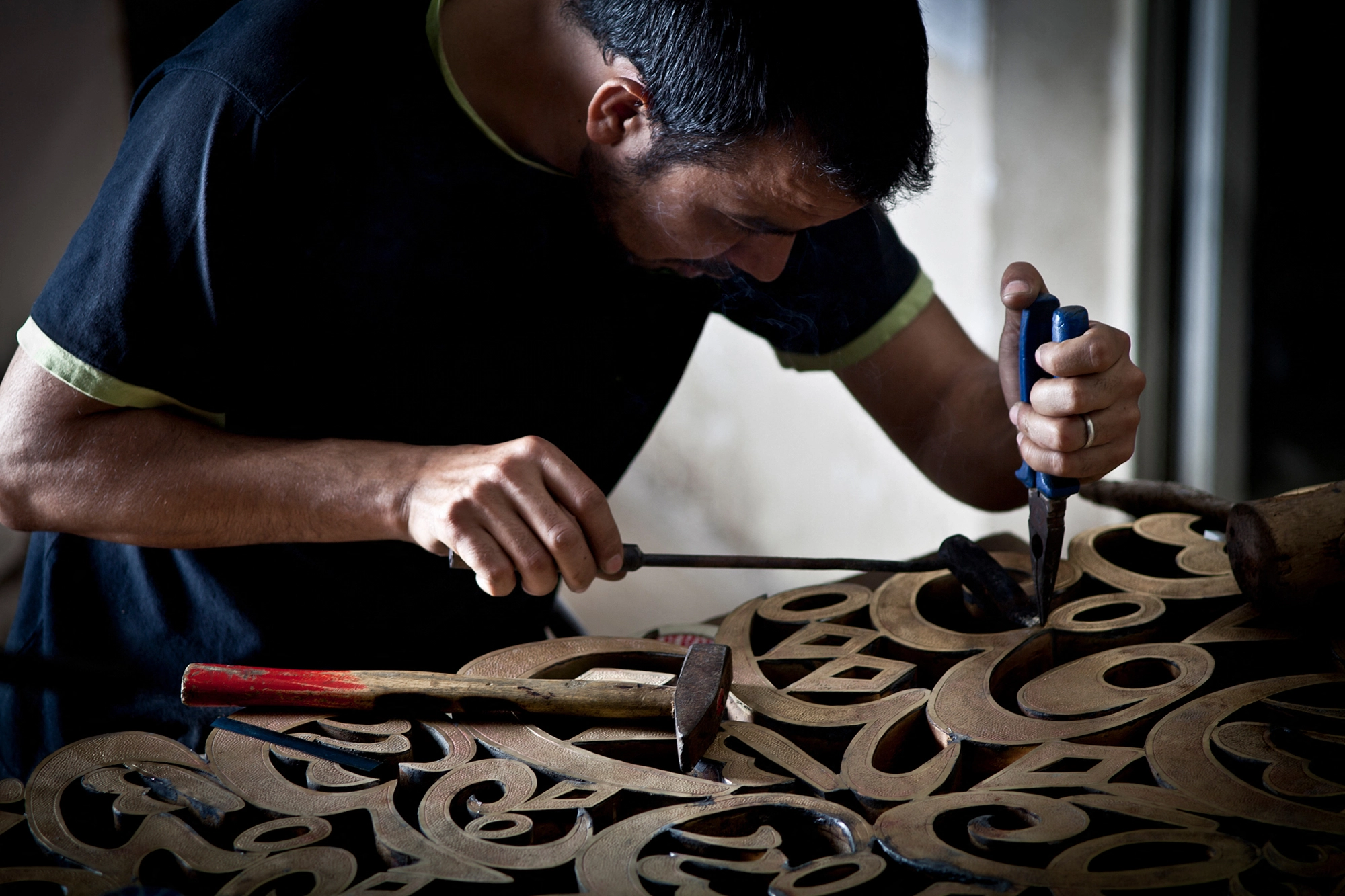
Today, this vast workshop brings together over 250 master artisans, supported by a design studio of technicians, draughtsmen, and engineers. Organised into specialised departments, the Atelier encompasses a wide spectrum of metalwork disciplines, from fine jewellery work to large-scale architectural metalwork in brass, bronze, steel, stainless steel, silver and gold, as well as woodworking and complementary crafts. This unique ecosystem allows Yahya to conceive, design, and produce an extraordinary range of works entirely in-house, including lighting, furniture, decorative objects, architectural elements, and monumental artworks.
 

l,l,l,

The Atelier is not simply a production facility; it is a place of experimentation, research, and continual refinement. 


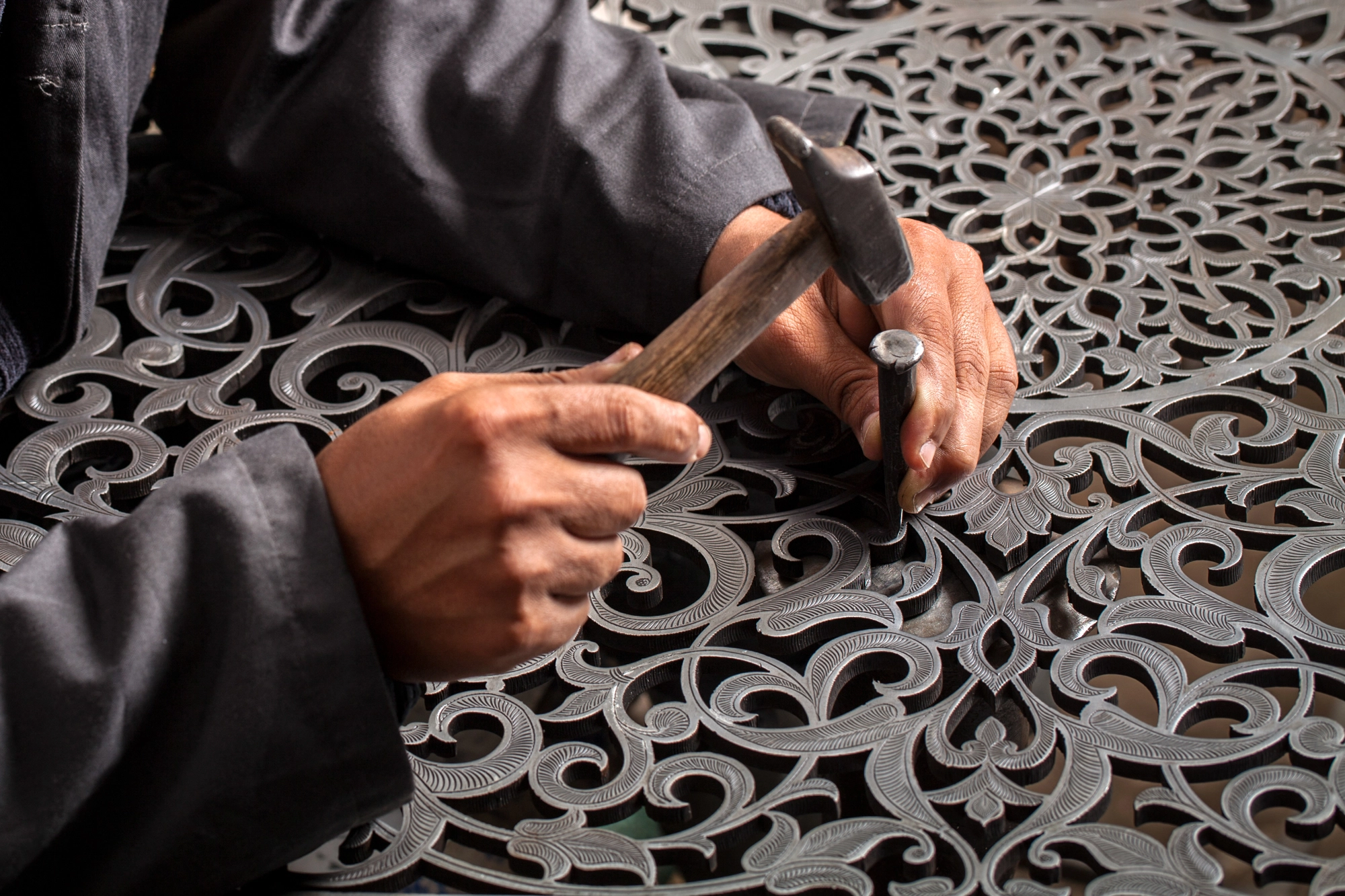
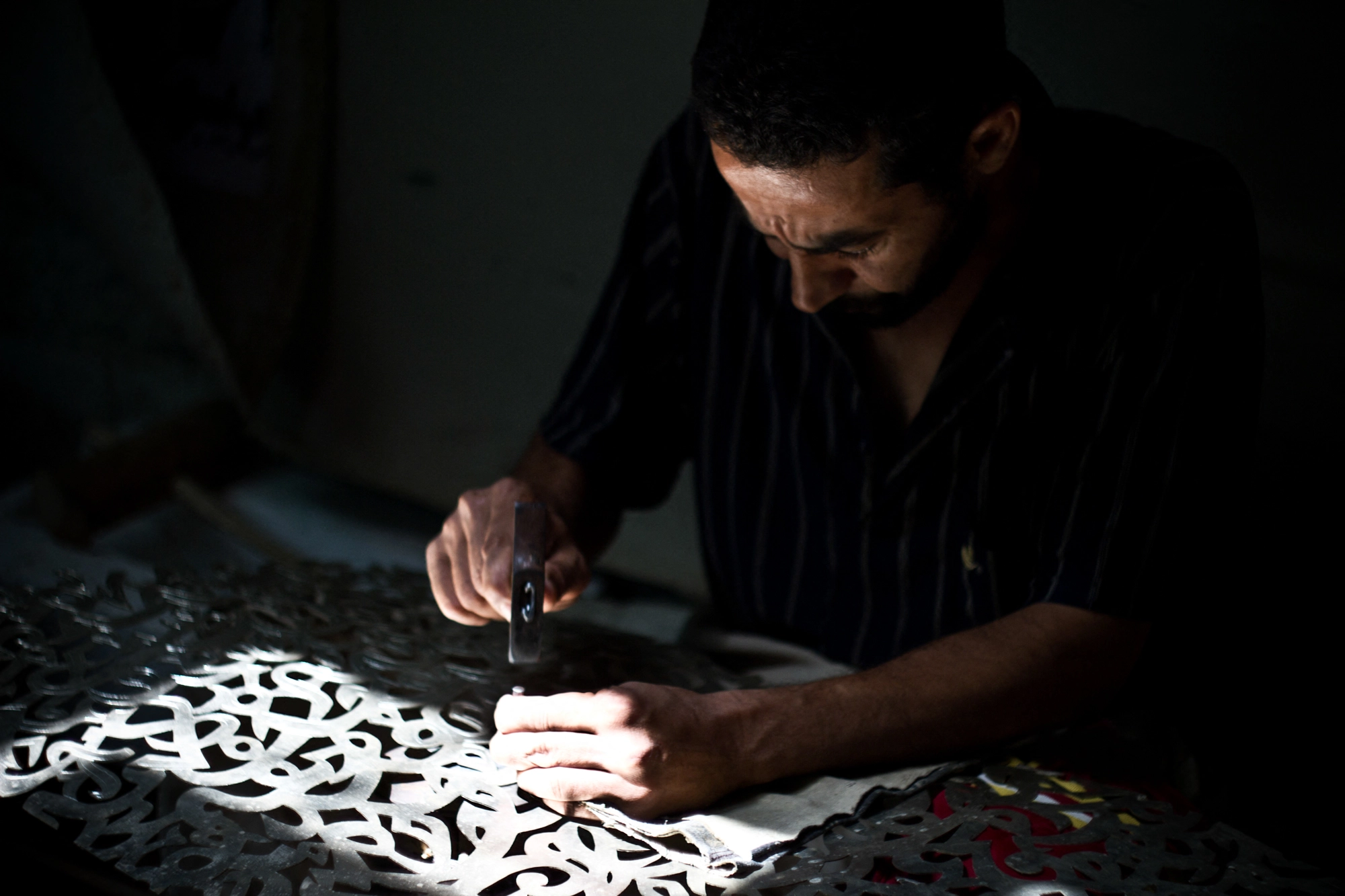
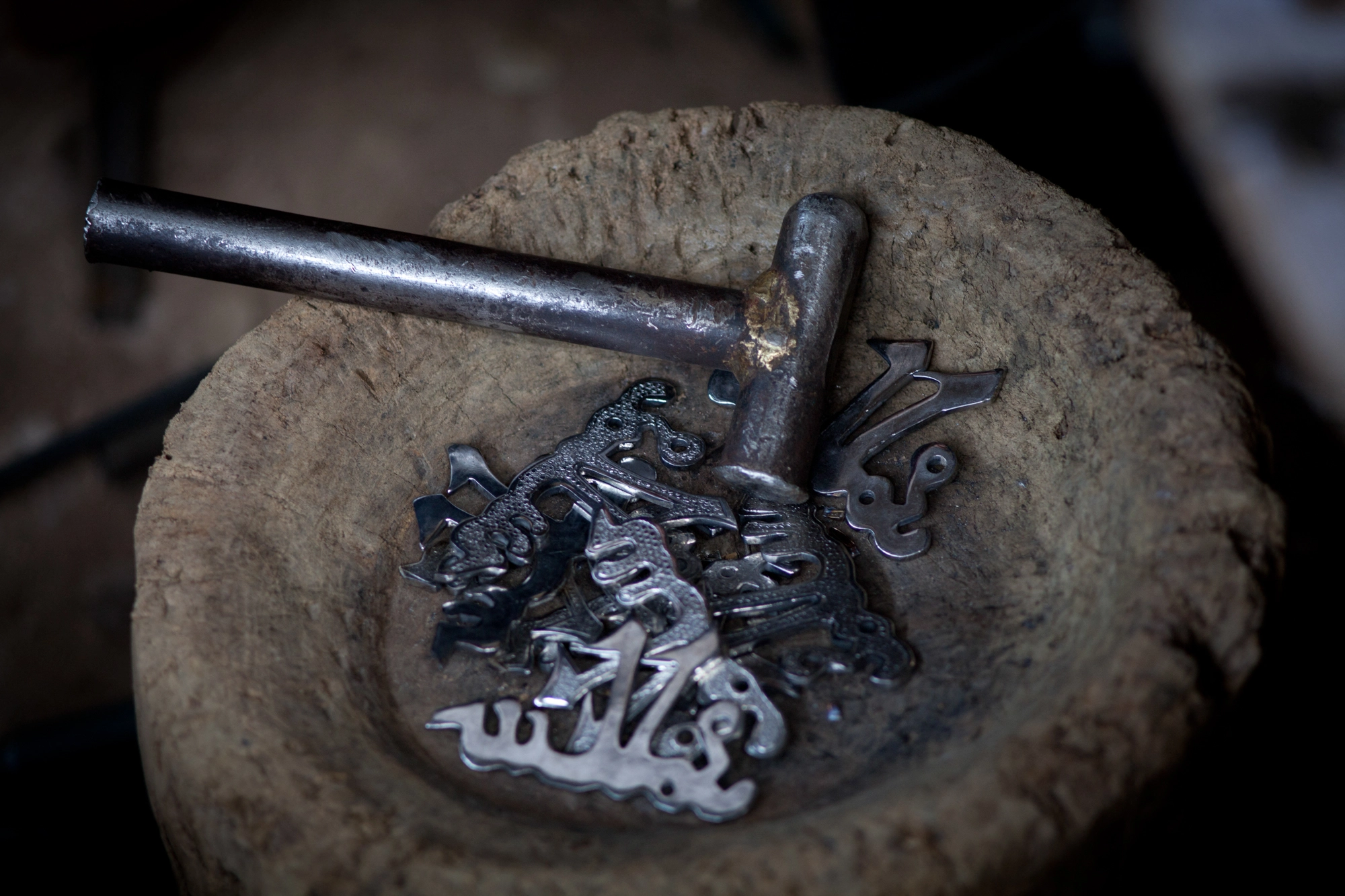
Ancestral savoir-faire is preserved, studied, and reinterpreted, while forgotten or little-known techniques are adapted and brought back to life to meet contemporary design challenges. Every piece is handmade and hand-finished, without reliance on industrial processes. Machines that would strip away the character of a work are deliberately avoided in favour of patient, meticulous handcraft. Yahya believes that it is the human touch, with its imperfections, intuition, and sensitivity, that gives each creation its individuality and timeless presence.

l,l,l,

A defining foundation of the Atelier’s identity lies in techniques traditionally reserved for jewellery. 


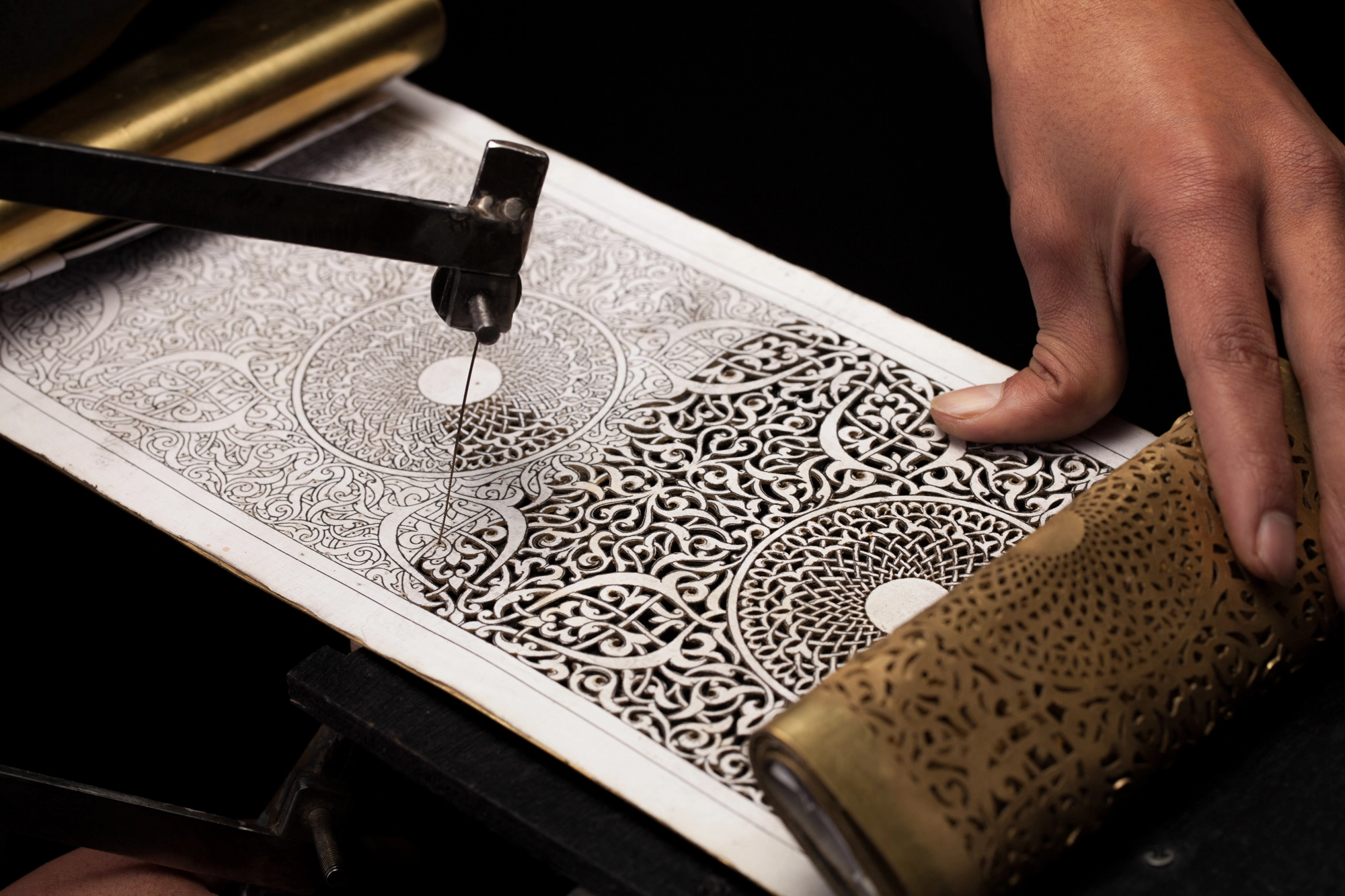
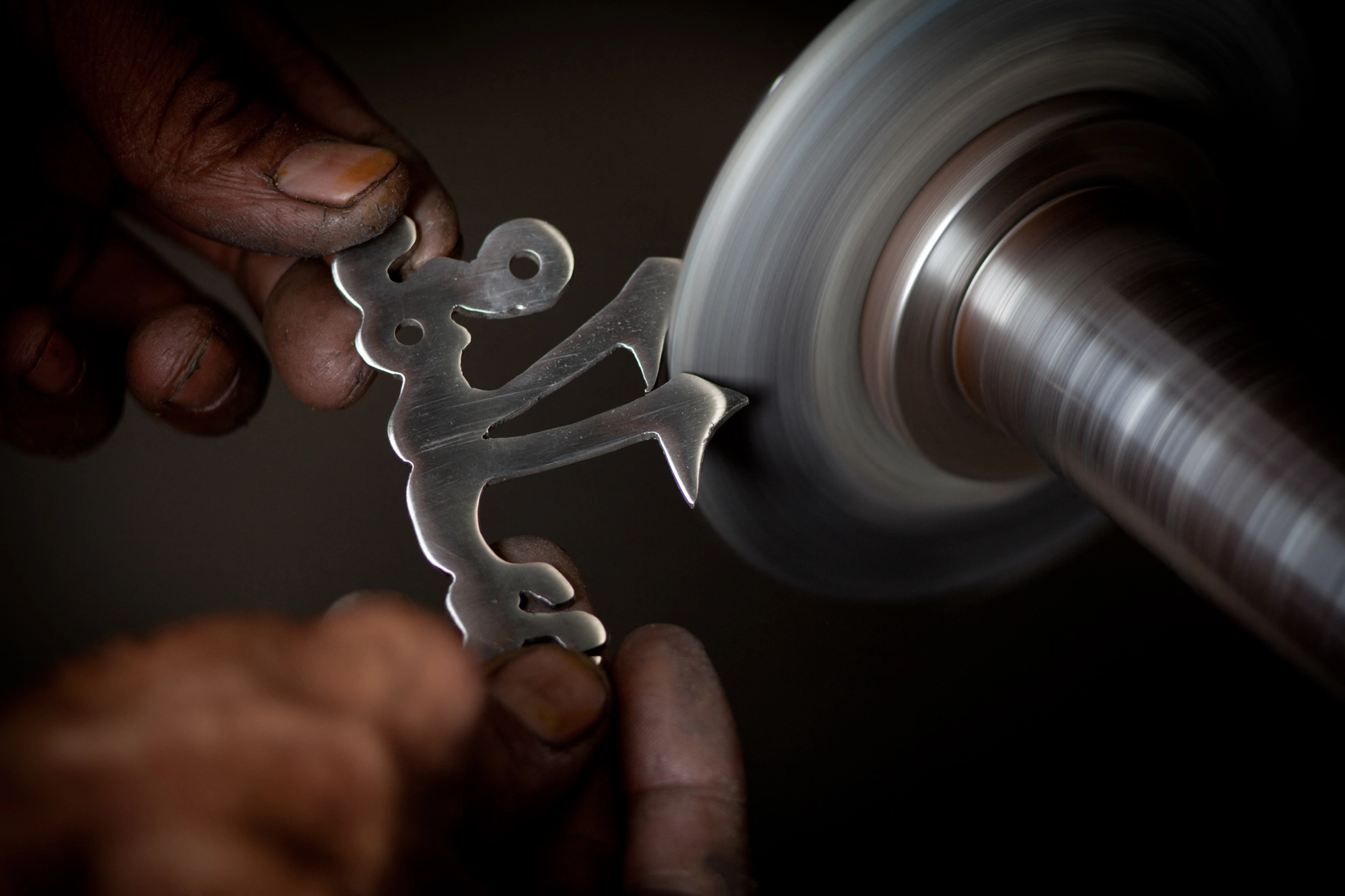
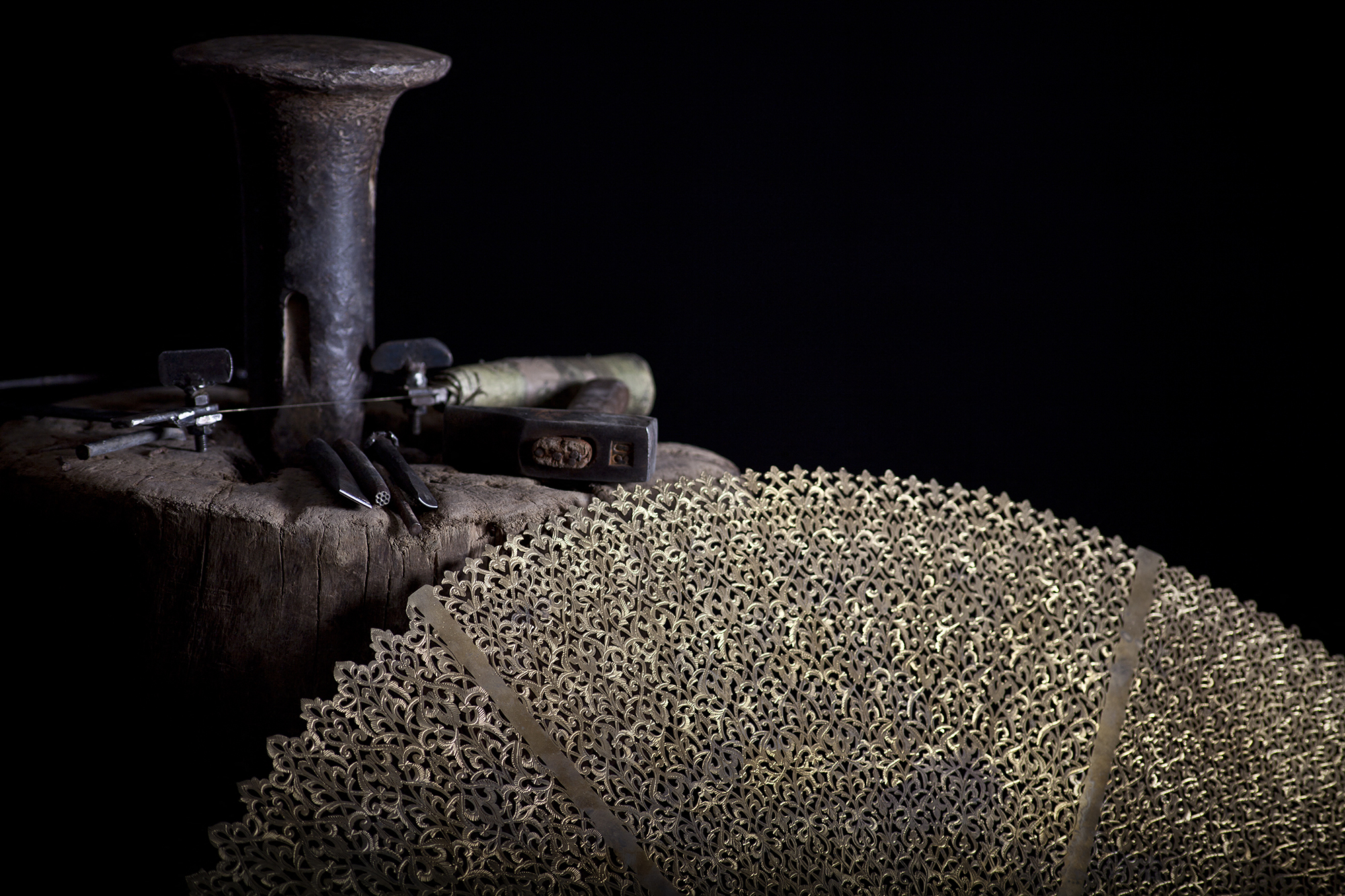
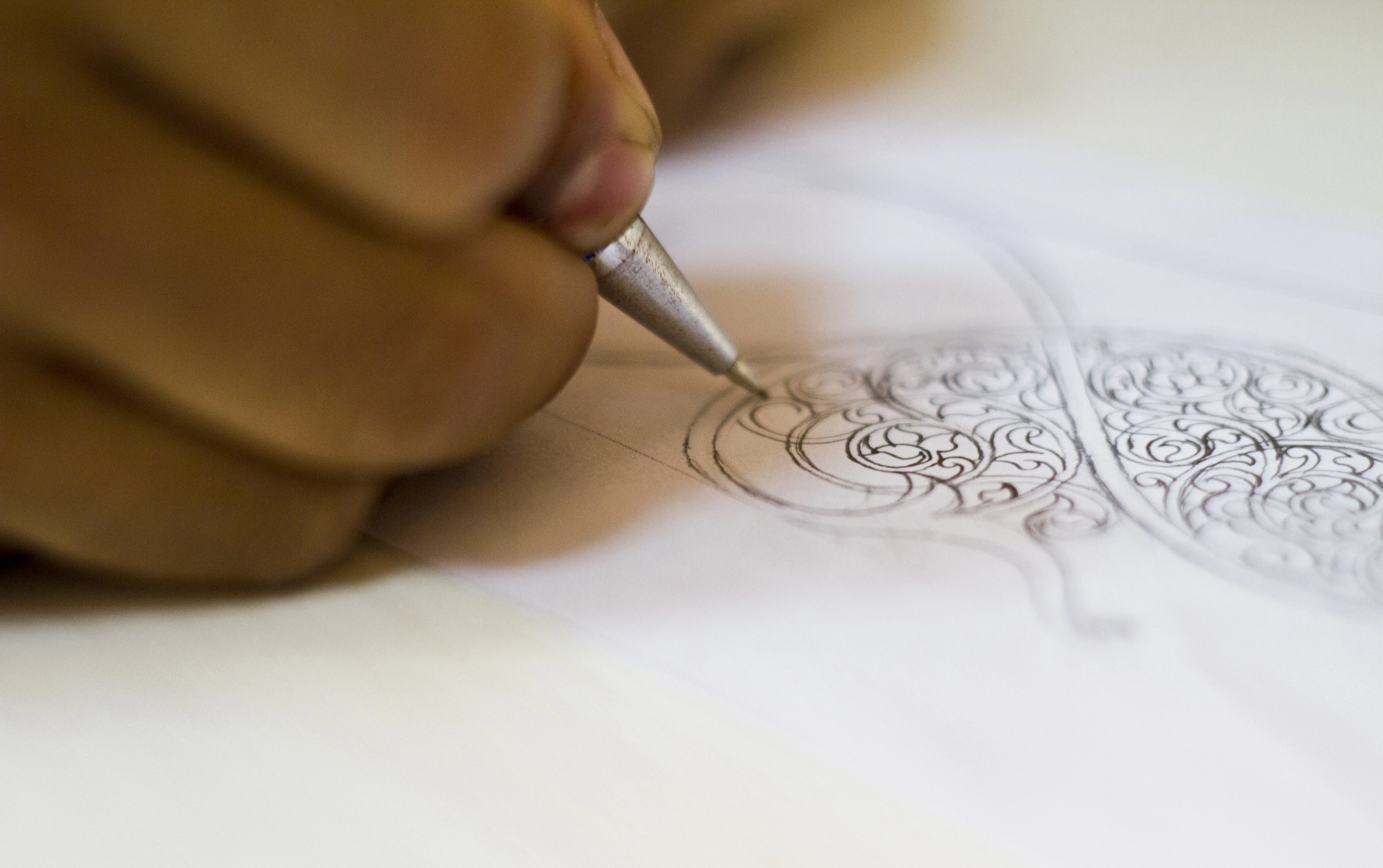
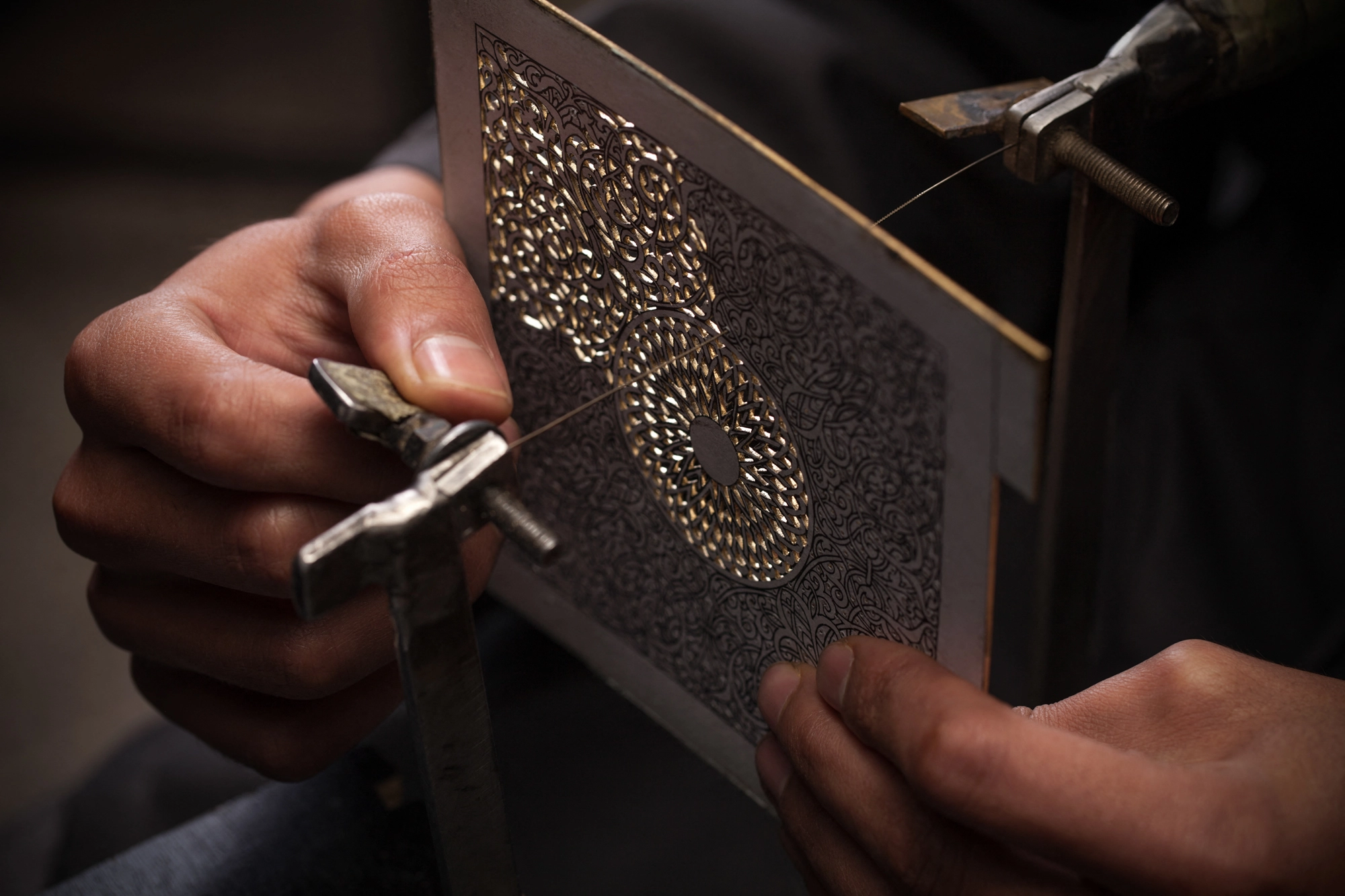
Fine blades are inserted directly into sheets of metal, and patterns are painstakingly hand-sawn, millimetre by millimetre, a process rarely applied beyond small-scale adornment. Historically, metalwork in the souks was perforated using hammer and chisel, punched through the surface. By contrast, this jewellery approach allows for an extraordinary level of delicacy, intricacy, and precision, opening new possibilities for decorative, sculptural, and architectural forms.

l,l,l,

The Atelier, however, did not begin as a place of creation. 


The origins of the Atelier were far more modest and pragmatic. It began with a small workshop of ten artisans, established not to create original works, but simply to clean, refine, and finish traditional pieces subcontracted from the souks, which were then exported to department stores in the United Kingdom. At that time, Yahya was trading in traditional artisanal objects and had no intention of building a design house. The workshop existed out of necessity, to improve quality, ensure consistency, and prepare pieces for export, not as a space for creation.

l,l,l,

A pivotal moment came unexpectedly, through close observation of craftsmanship itself.


While overseeing this small operation, Yahya noticed, during a lunch break, one artisan meticulously sawing metal using a fine blade, a technique traditionally reserved for jewellery. Unlike the customary hammer-and-chisel perforation found in the souks, this method involved threading a blade through solid metal and hand-sawing every opening with extreme patience and precision. The result was delicate, intricate, and refined. Discovering that this artisan was a trained jeweller, Yahya immediately recognised the potential of applying this jewellery-scale savoir-faire to larger decorative and architectural objects, an approach not previously attempted due to its complexity and cost.

l,l,l,

Unexpectedly, providence played its hand and these early pieces found an unplanned audience.


A friend visiting from New York noticed them and was struck by their originality. She introduced Yahya to contacts at Neiman Marcus, who soon flew to Marrakech to see the work firsthand. It was they, not friends or advisers, who encouraged Yahya to take the process seriously, recognising a distinctive vision and urging him to pursue it. An initial order of 1,200 pieces followed, marking a decisive turning point.

l,l,l,

For the next eighteen months, the Atelier transformed rapidly, becoming a laboratory of exploration and innovation. 


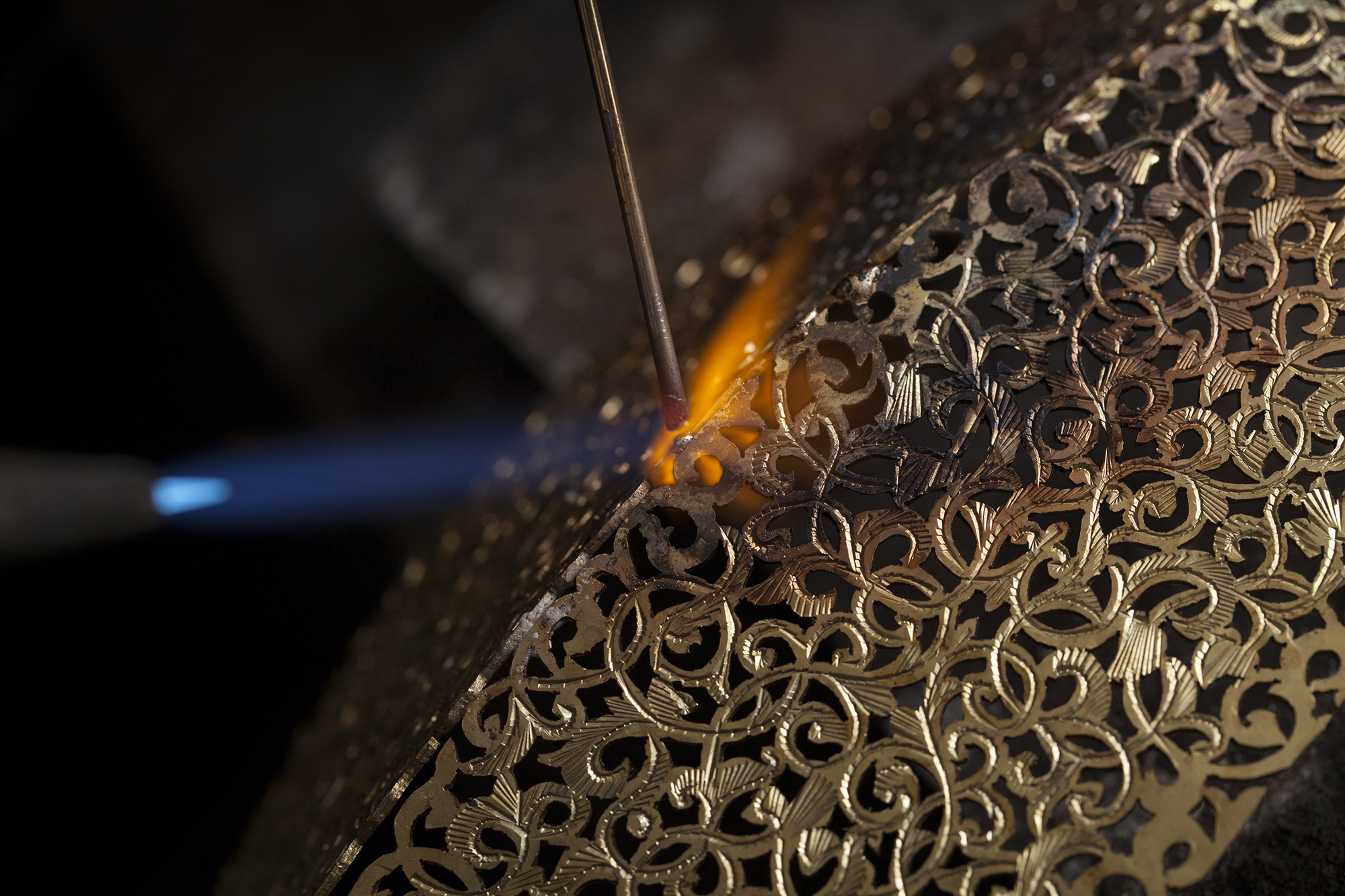
All subcontracting ceased, and the workshop shifted entirely to producing Yahya’s designs in house. The original team expanded, dedicating itself exclusively to these new creations. Jewellery techniques became the foundation of a broader language, informing larger-scale metalwork through hand-sawing, specialised welding, forming, and finishing, all executed entirely by hand. Every piece was handmade and hand-finished, with machines deliberately avoided wherever they would diminish the soul of the work.

l,l,l,

As Yahya’s designs evolved, so too did the Atelier’s savoir-faire.


Each new artistic direction demanded new skills, new approaches, and often entirely new techniques. Forgotten or little-known methods of craftsmanship were brought back to life, studied, and reinterpreted, while other processes had to be invented from scratch to realise forms that had never existed before. Research and development became intrinsic to daily practice. Mistakes were embraced as part of learning, allowing the Atelier to respond to increasingly complex briefs with agility, depth, and unity of vision.

l,l,l,

Yahya enjoys unparalleled freedom to experiment and refine, as every step of production is controlled in-house. 


Research and development are an ongoing process, allowing the Atelier to respond to complex design briefs with agility and precision. Whether creating an intricate lattice screen or a museum-scale sculpture, the Atelier ensures that every piece embodies exceptional quality and a unity of concept from initial sketch through to final installation. Collaboration is at the core of the Atelier’s success. Nearly every piece requires the combined expertise of twenty or more departments, each contributing its mastery to bring a vision to life. Some commissions have demanded the efforts of over one hundred artisans, working for eighteen months to complete a single piece, a feat of devotion and patience that underscores the Atelier’s commitment to excellence.

l,l,l,

The opening of Yahya’s first gallery marked another decisive chapter in the evolution of Yahya as an artist and set the stage for the development as Yahya, the brand.


Having designed collections of accessories, lighting and furniture, within weeks, demand exceeded all expectations. Production shifted entirely toward production of these collections and also bespoke and gallery commissions, making it impossible to continue external production. Today, the Atelier is more than a workshop where design, craft and art converge to form objects of lasting beauty. It stands as the beating heart of Yahya’s philosophy, a place where tradition and innovation coexist, where craftsmanship is preserved not by repetition but by evolution, and where every creation carries the unmistakable imprint of human hands guided by patience, curiosity, and vision. Every creation that leaves its walls carries with it the soul of its makers and the unmistakable mark of Yahya’s vision. The Atelier is where luxury is not just produced but painstakingly crafted, piece by piece, by hands guided by both tradition and innovation.